The United Nations Office for Outer Space Affairs (UNOOSA) launched the Human Space Technology Initiative (HSTI) in 2010 under the framework of the United Nations Programme on Space Applications in response to the relevant recommendations of the United Nations Conference on the Exploration and Peaceful Uses of Outer Space (UNISPACE III) held in 1999.
HSTI aims at involving more countries in human spaceflight and space exploration related activities and at increasing the benefit from the outcome of such activities through international cooperation, to make space exploration a truly international effort. The role of HSTI in these efforts consists of providing a platform to exchange information, to foster collaboration between partners from space-faring and non-space-faring countries and to encourage emerging and developing countries to take part in space research and to benefit from space applications.
The HSTI activities are based upon three pillars:
(1) International Cooperation: To promote international cooperation in human spaceflight and space exploration-related activities
(2) Outreach: To promote increased awareness among Member States on the benefits of utilizing human space technology and its applications
(3) Capacity-building: To build capacity in microgravity science education and research
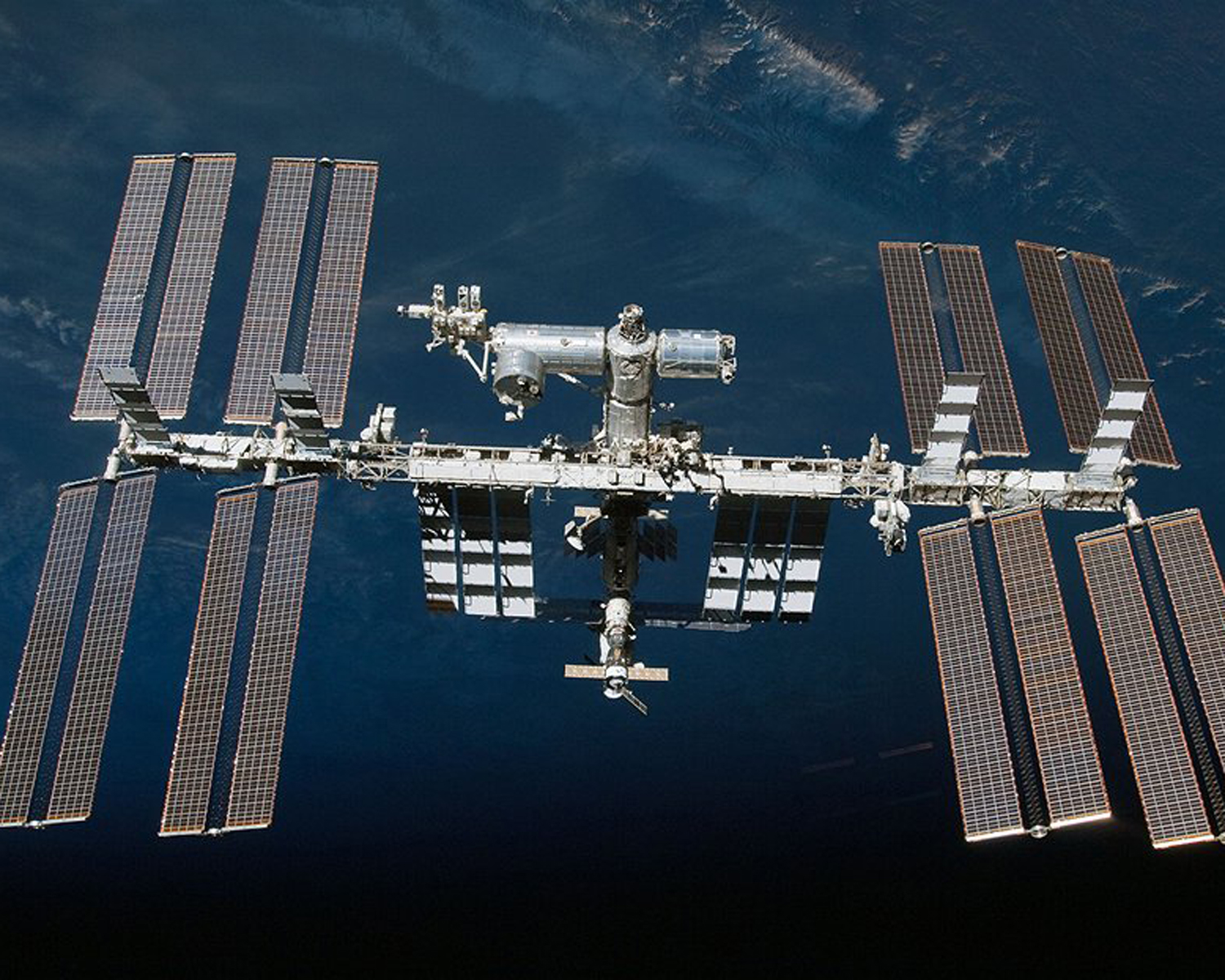
First pillar - International cooperation: HSTI bridges and connects different reliable partners from the international space community and other United Nations entities as well as Member States. In close cooperation with the International Space Station (ISS) partners, information on the ISS management structure and on research facilities are provided. Furthermore, HSTI informs about opportunities to cooperate with ISS partner agencies and provides educational material on ISS related research.
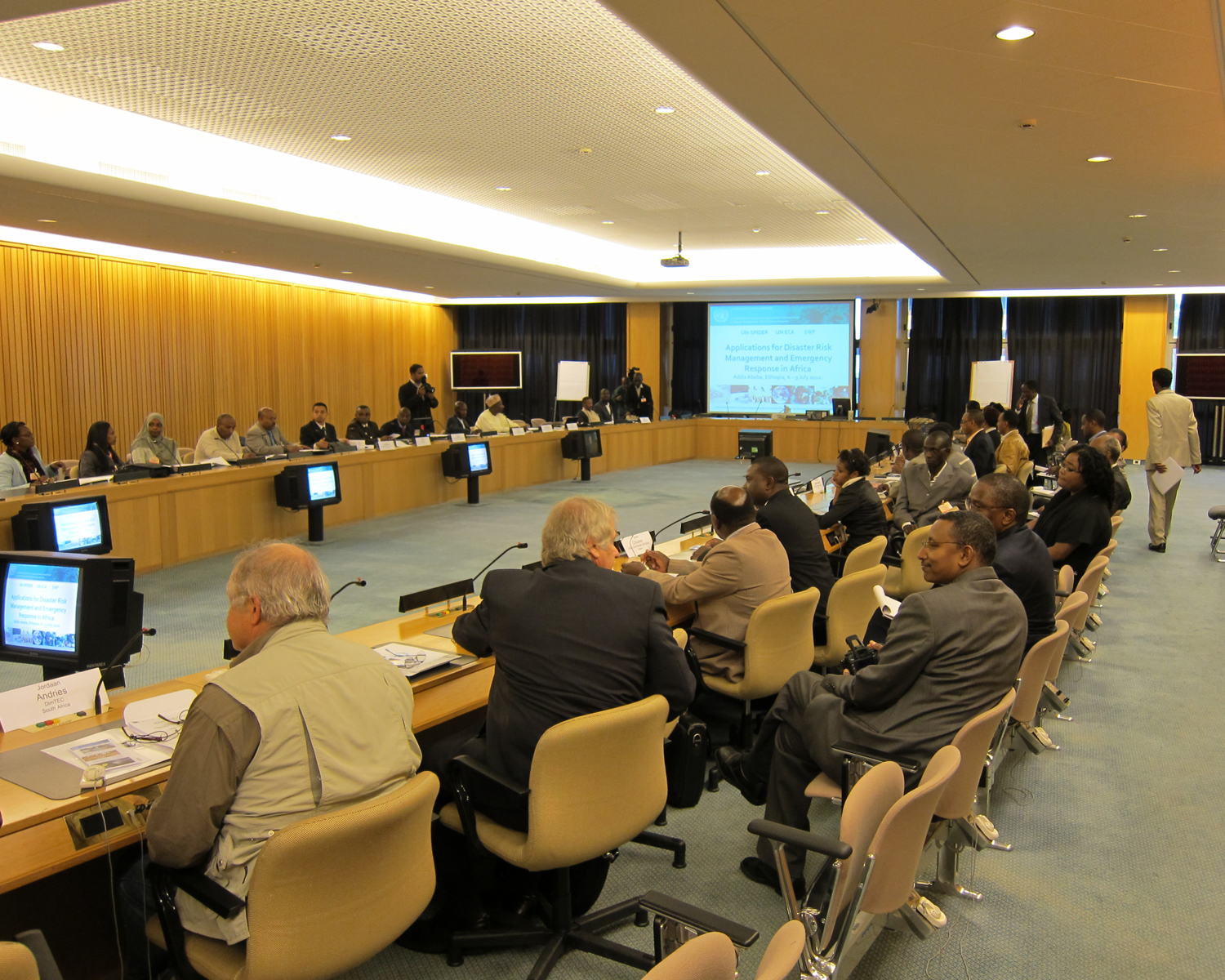
Second pillar - Outreach: HSTI organizes expert meetings and workshops annually or biannually to raise awareness on the current status of the space exploration activities as well as the benefits of utilizing human space technology and its applications. Experts from around the world meet together and exchange information and discuss possible future projects on human space exploration and its related activities. HSTI also provides the publications and distribute informative materials on these subjects.
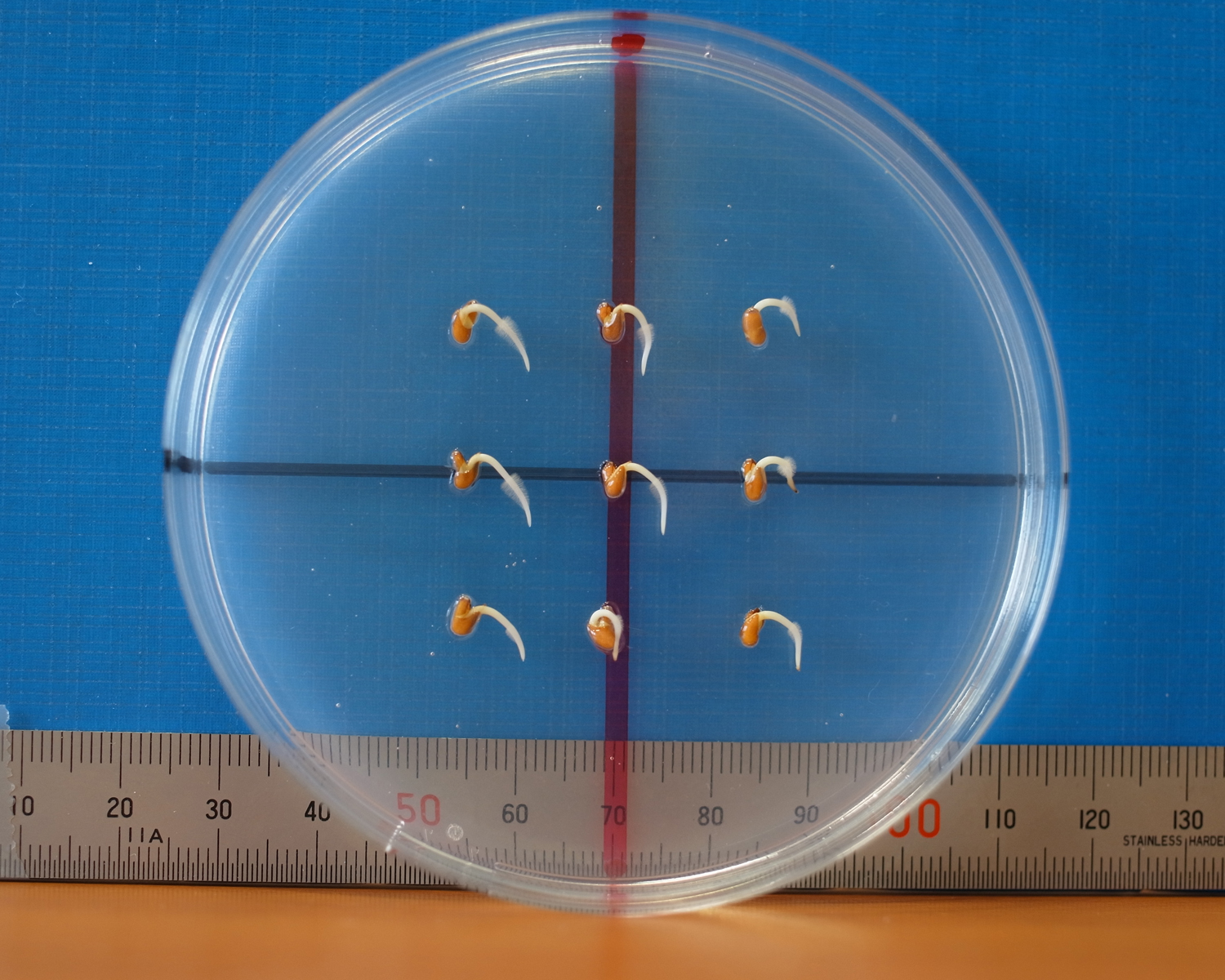
Third pillar - Capacity-building: HSTI is conducting the Zero-Gravity Instrument Project, in which microgravity simulation instruments called clinostats are distributed world-wide for education and research. In addition to the project, HSTI also seeks to establish programmes/fellowships that help researchers from non-space-faring countries to have access to these facilities. Within these programmes, HSTI provides information on the facility and on opportunities how to utilize them.
From the beginning, outer space has caught the imagination of humanity. With the technological development, travelling into space became finally a reality. On 12 April 1961, Yuri Gagarin was the first human being to venture into space, opening up a new era of human activity which was no longer limited to the surface or atmosphere of the Earth. Within a decade, the first human beings set foot on the surface of the Moon. After the end of the Apollo-programme, human space activity focused on the low Earth orbit and on research. Several temporary space laboratories were operated by the Soviet Union and the United States of America. In 1980s, the Soviet Union launched the Mir station and operated it for more than a decade. With the end of the Cold War, a new opportunity for cooperation emerged which culminated in the combined effort of 15 countries, comprising Canada, European countries, Japan, Russia and the United States of America, to develop, launch and operate the International Space Station (ISS) since 1998. All in all, during the last five decades, about 500 humans have lived and worked in space.
The Third United Nations Conference on the Peaceful Uses of Outer Space (UNISPACE III), held in Vienna from 19 to 30 July 1999, recognized that large human space exploration missions exceed the capacity of a single country and cooperation should be privileged in this area. The ISS was cited as an example of this new paradigm made possible by the end of the Cold War era. The UNISPACE III recommended the development of future space science programmes, in particular through international cooperation, and to encourage the access to the ISS from countries which had never participated in that endevour. It further advocated the world-wide dissemination of information about research activities onboard the International Space Station.
In 2010, HSTI was launched under the framework of the United Nations Programme on Space Applications with the purpose of creating awareness on the benefits of human space technology, to promote international cooperation in human spaceflight and space exploration-related activities, and to support capacity-building in microgravity research and education.
Activities
As part of HSTI, the first Outreach Seminar on the International Space Station was held in Vienna, Austria, on 8 February 2011. Seventeen Member States participated in the seminar along with the ISS partners: the Canadian Space Agency (CSA), the European Space Agency (ESA), the Japanese Ministry of Education, Culture, Sports, Science and Technology (MEXT) and the Japan Aerospace Exploration Agency (JAXA), the National Aeronautics and Space Administration (NASA) of the United States of America, and the Russian Federal Space Agency (Roscosmos). This seminar established that HSTI could be a meaningful mechanism for creating awareness about the potential of the ISS and the research conducted on the ISS among countries, regions, and potential users that have up to this point not been involved with such activities, thereby contributing to capacity building in microgravity science and technology education.
The United Nations/Malaysia Expert Meeting on Human Space Technology was held in Putrajaya, Malaysia, from 14 to 18 November 2011, hosted by the Institute of Space Science (ANGKASA) of the National University of Malaysia and attended by 125 professionals from 23 countries working in governmental institutions, universities and other academic entities as well as the private sector. (A/AC.105/1017). The objectives of the Expert Meeting were to raise awareness about human space technology and its applications among Member States of the United Nations and to discuss how to promote the Human Space Technology Initiative in the world. The Expert Meeting had nine technical sessions divided into four categories: microgravity science; education, outreach and capacity-building; national, regional and international space programmes; and International Space Station programmes. Three working group sessions and one joint working group session were also conducted. The working groups considered microgravity science; education, outreach and capacity-building; and the Human Space Technology Initiative.
During the working group discussions, 10 recommendations were formulated and endorsed by all the participants. They are: (a) the Human Space Technology Initiative should take action to create awareness among stakeholders, including decision makers in governmental and private sectors, researchers and students; (b) the Initiative should identify and inform Member States about space-related research opportunities; (c) the Initiative should establish capacity-building programmes; (d) the Initiative should serve as a catalyst for international collaboration by promoting formation of common interest groups; (e) the Initiative should promote knowledge exchange and data-sharing by raising awareness and promoting user-friendly mechanisms for data access; (f) Governments, institutions and individuals were encouraged to use human space-based platforms for research; (g) Governments, institutions and individuals were encouraged to explore ground-based research for gravity-related science and for preparing space-based experiments with microgravity simulators; (h) Governments, institutions and individuals were encouraged to explore commercial alternatives for conducting education and research activities in space; (i) Governments and institutions were encouraged to use space education as a tool for inspiring and motivating people and sustaining interest in science and technology; and (j) Governments were encouraged to incorporate space education into their national school curricula in different subjects at school as well as into the curricula of university courses.
Based on the results and the recommendation of the Expert Meeting on Human Space Technology in Malaysia, the United Nations Expert Meeting on ISS Benefits for Humanity was held in Vienna, Austria, during the 49th session of COPUOS, from 11-12 June 2012. Referring to a publication produced by the ISS partners, the meeting brought together experts from ISS partners and United Nations agencies to discuss and identify potential collaborations with the aim of extending the ISS benefits to all people in the identified areas of Earth observation and disaster response, health, and education. The agencies participated from ISS partners were NASA, CSA, ESA and JAXA, and the specialized UN agencies were the World Meteorological Organization (WMO), the United Nations Environment Programme (UNEP), the World Health Organization (WHO), and the United Nations Educational, Scientific and Cultural Organization (UNESCO). Throughout the two-day meeting, activities on board the ISS and those pursued by the United Nations were presented to serve as the grounds for identifying the potential ways of extending the benefits. As a result, three concrete projects from the areas education and health were identified. In order to convert these collaborative ideas to possible future projects, further assessment by the interested parties will be needed, initiated by HSTI.
As the further extension of the United Nations/Malaysia Expert Meeting on Human Space Technology, the United Nations/China Workshop on Human Space Technology is to be held in Beijing, China, from 16 to 20 September 2013. The workshop will focus on: exchanging information on the latest developments and future plans of human space flight and space exploration; creating awareness on the benefits of human space technology and its applications: promoting capacity on microgravity research and education, and; identifying potential opportunities for new space-faring and emerging countries to participate in space exploration-related efforts. The workshop is to be hosted by the China Manned Space Agency (CMSA) on behalf of the Government of China and co-organized by the International Academy of Astronautics (IAA).
-Space station activities
For inquiries about the Human Space Technology Initiative (HSTI)
Email: hsti@unoosa.org
Last updated on 11 April 2013.